
The Instructor Shortage Is a Gift
I know that headline will bother some people. The healthcare system faces a documented, growing shortage of instructors. There are

I know that headline will bother some people. The healthcare system faces a documented, growing shortage of instructors. There are
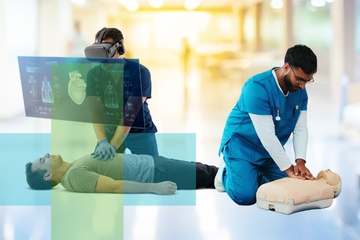
I spent twenty-six years as a cardiac surgeon. I have been in operating rooms and ICUs more times than I

I have been a cardiac surgeon for more than twenty-five years.

Stress is not the exclusive domain of medicine. Every discipline has its own version of the moment when everything is on the line and the nervous system must decide who you really are.
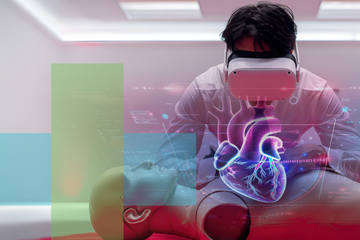
Medicine measures attendance, not competency. AI-powered immersive medicine tracks performance under stress and predicts skill decay before failure.
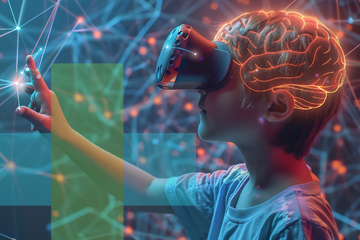
Discover how immersive VR BLS training boosts retention, activates hippocampal learning rhythms, and outperforms traditional certification models.

Life in medicine is full of stress and surprises. We read, we memorize, we train. We train in our minds and in real life. But when a code happens, our bodies go through a stress of their own.

The wind howled across the tarmac, rain pelting the windows of the cockpit. Inside the plane, a pilot meticulously ran through the pre-flight checklist.

Each year, 250,000 preventable deaths occur in the healthcare system. These tragedies are the result of inadequate training methods that prioritize theoretical knowledge over real-world skills.